
Your reps don’t need better closing tactics. They need a problem worth solving.
I used to read the Dr. Seuss Sleep Book to my daughter every night. She’s ten now, and I can still recite the whole thing from memory so that it will be living rent-free in my brain for the rest of my life.
Somewhere in the middle of it, Seuss gives us a crew of exhausted salesmen. They are worn out from trying to move a product with no buyers—not because they are bad at selling, but because the need it answers doesn't exist. Nobody wants the thing, because nobody needs it.
Which is why, in the middle of a positioning exercise a few years ago, I told a client to stop selling Zizzer-Zoof Seeds. They looked at me like I had lost the thread, until I explained.
Here is what was actually happening on their end. Their reps were calling on architects with a genuinely good product. The architects were polite. Mildly interested. Ultimately unmoved. Sales was falling short of plan, and the conversation inside the company had turned to closing tactics and better collateral.
If you run marketing at a building product manufacturer, you know how that conversation goes. Sales tells you they need better materials. You build them. The specs still don’t land. Then you are asked for more materials.
It was not a sales problem. It was not a content problem either. Both of those were downstream of a positioning problem.
I was trained in SPIN selling: Situation, Problem, Implication, Need-Payoff. It is an older framework, but in a consultative, technical sale like the specification channel it still holds up. The model is a need-creation sequence. You understand the architect’s situation, surface the problem they are living with, draw out what that problem actually costs them, and only then connect your product to the payoff of solving it. Done well, the architect talks themselves into the need before anyone pitches a product.
But notice what that requires. A rep can’t surface a problem and connect it to your product unless someone has already worked out which problem your product uniquely solves, and for whom. Without that, every rep is inventing the need from scratch, one conversation at a time. It is exhausting, it does not scale, and it is why good salespeople bounce off good prospects.
That upstream work is positioning. And it is rarely skipped on purpose.
It gets skipped because positioning is the one deliverable on the launch plan with no hard due date. The datasheet has a date. The trade show has a date. The website refresh has a date. Positioning gets a working session, a deck, and a sincere promise to come back to it — and then the launch happens.
It's even harder if your company is newer to the specification channel. If your team grew up selling to contractors and distributors, you have deep instincts for a buyer who is not the architect. Positioning for a specifier is a different exercise with a different set of questions, and there is often nobody internally who can tell you whether you have gotten it right.
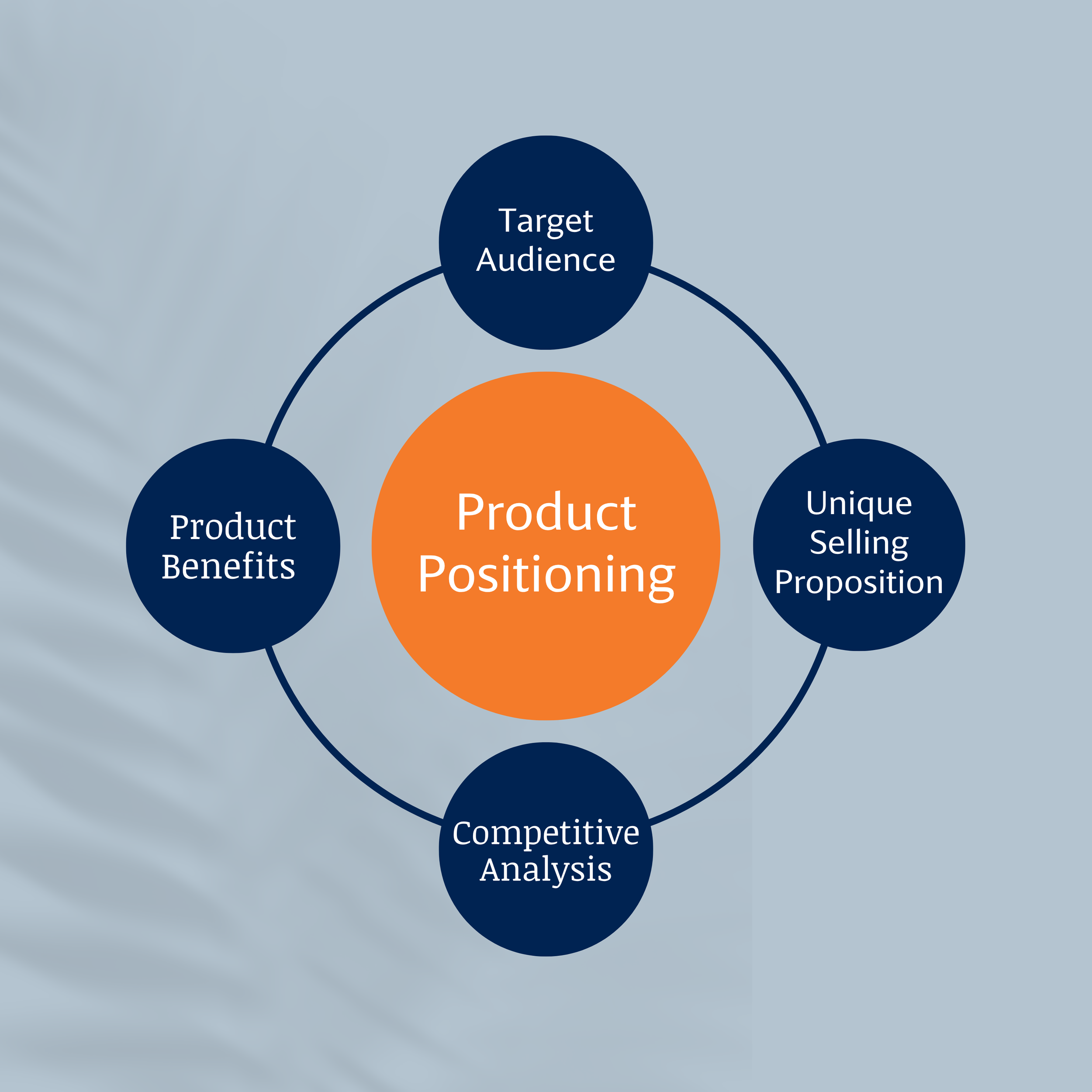
Here is the test I would apply. Positioning isn’t a brainstorm you knock out in an afternoon, and it is not a tagline. It is a discipline where you build a theory about what sets you apart, then stress-test it until it can survive value engineering — the moment a cheaper alternative shows up, and someone asks why they can’t just swap it in. If your positioning cannot answer that question, it was never positioning.
Which is worth stating plainly, because it is the version that travels upstairs: positioning is what keeps you from being value-engineered out of your own spec.
Everything else marketing produces is downstream of whether that holds.
That is the work I do with building product manufacturers. CCM’s Positioning Workshop walks your team through pressure-testing your product against the competitive field, finding spec hooks your competitors can’t claim, and giving your reps and your content team a real need to surface instead of a product to push.
If your team is working hard and your specs still aren’t landing, it may not be a sales problem or a content problem. It may be the positioning underneath both. Book a free 30-minute discovery call, and we’ll figure out whether the workshop is the right fit for what you’re trying to move.
Skip it, and you get what Seuss got: weary salespeople, working hard, moving nothing — because nobody needs what they are carrying.